

Bingo has been around for centuries, but it definitely hasn't stayed the same. It's picked up different habits almost everywhere it has gone. The version played in Britain isn't quite the same as the one played in America. Australia calls it something else entirely. Japan has built lottery-style games around the idea of it, while Germany uses it to teach.
That's part of the reason bingo has remained popular for so long. It adapts.
From Italy to the Rest of the World
Italy can take a lot of the credit here. The game's roots go back to Gioco del Lotto, which appeared in the 16th century. , another number game that has many similarities with modern bingo.
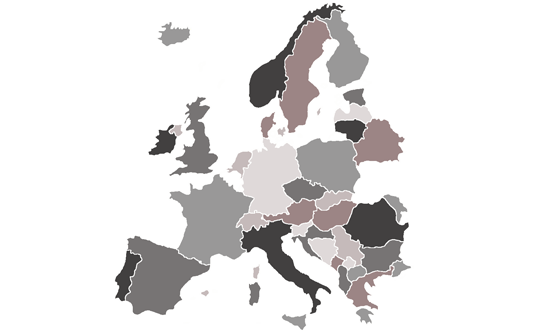
From there, bingo spread through Europe and beyond. Germany picked it up in the 1880s. America followed in the 1920s. Britain didn't really experience its bingo boom until the 1960s.
Because each country discovered bingo at a different time, the game grew in different ways.
Britain's Bingo Culture
Many players know the British bingo version the best.
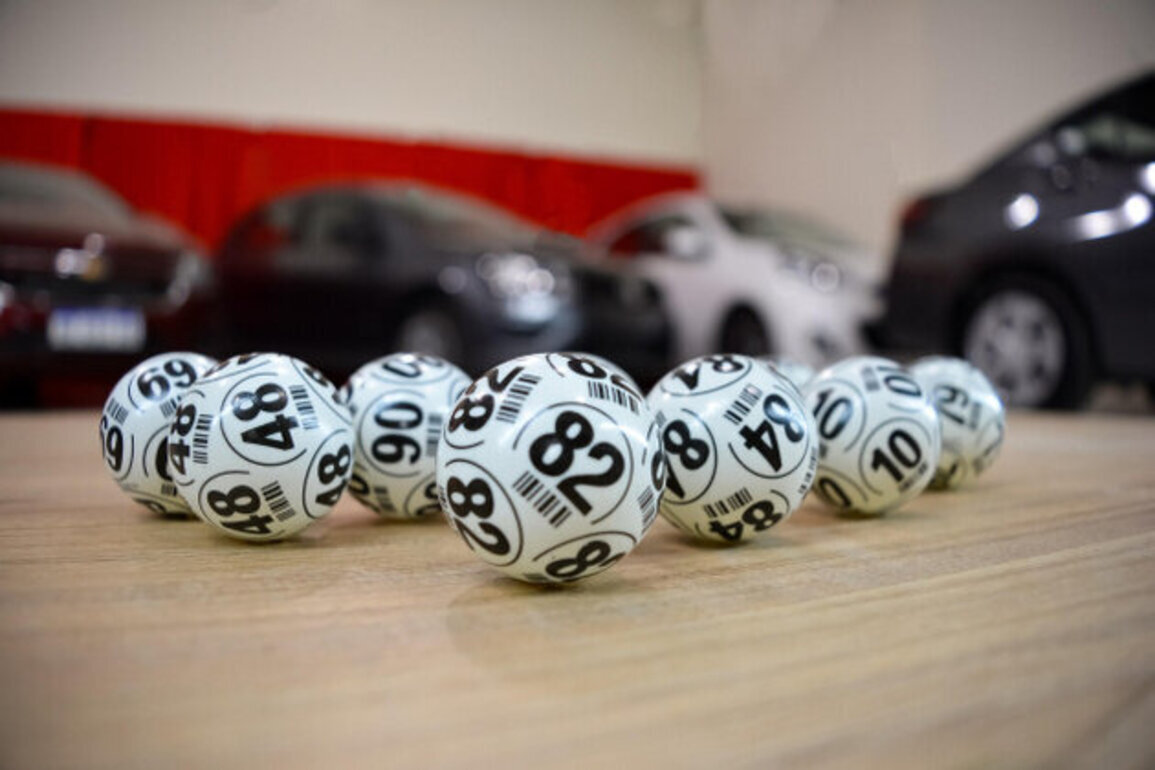
Traditional games use 90 balls and cards designed around lines and full houses. The format itself isn't complicated, but British bingo developed something many other countries didn't: a language of its own. Over time, callers replaced numbers with memorable phrases. Some became so popular that people who?ve never played bingo recognize them.
Bingo halls played a big role in British entertainment throughout the second half of the 20th century. And while many still like physical venues, digital platforms keep the game popular. The growth of introduced the traditional format to a wider audience and helped modernize it.
America Prefers Patterns
The most common version in America uses 75 balls and a five-by-five grid with a free space in the middle, and instead of simple lines, games often require specific patterns. That could mean a diagonal, a letter shape, or something more unusual.
The game became more popular after it started appearing at carnivals and community events. Churches and charities realised it worked well for fundraising, and schools found educational uses for bingo-style formats too. It's one of the reasons bingo became such a big part of American culture.
Australia's Housie
Australians took bingo and gave it a slightly different identity. Many players know the game as Housie. The name comes from the winning call made when a ticket is completed.
The version played there has some small rule changes that make it feel a bit different from 75 and 90-ball bingo. The atmosphere around the game is relaxed and social, especially during community fundraising events where bingo is still so popular.
Japan's Modern Twist
stands out because of how much bingo has moved online.
The 75-ball format is especially popular, but Japanese players have also embraced Bingo5, a weekly lottery game that takes ideas from traditional bingo. Participants choose numbers within a grid and compare them to official draws. Winning depends on completed lines rather than just matching the highest number of selections.
Japan's online bingo events, hosting almost half a million people, show how easily the game can fit into modern digital entertainment.
Germany and Russia Do Things Differently
Germany's history with bingo goes back over a century. Known originally as Der Lottospiel, where winners would shout volltreffer rather than bingo, it became popular as both a game and a way of teaching. Schools regularly used bingo-style activities to help students learn various subjects.
Russia's version, often referred to as Lotto, also feels different. Instead of standard bingo balls, numbered barrels are drawn from a bag, making it feel closer to traditional Italian games than versions found in modern bingo halls.
Final Thoughts
Some games struggle when they leave the country where they were created. Bingo seems to do the opposite. Different places have turned it into a fundraising activity, an online event, a learning tool, and a lottery game. The details change depending on local tastes, but the game itself is simple enough to work almost anywhere. That's probably the biggest reason it's survived all these centuries. Bingo doesn't need to stay exactly the same. And it never really has.