

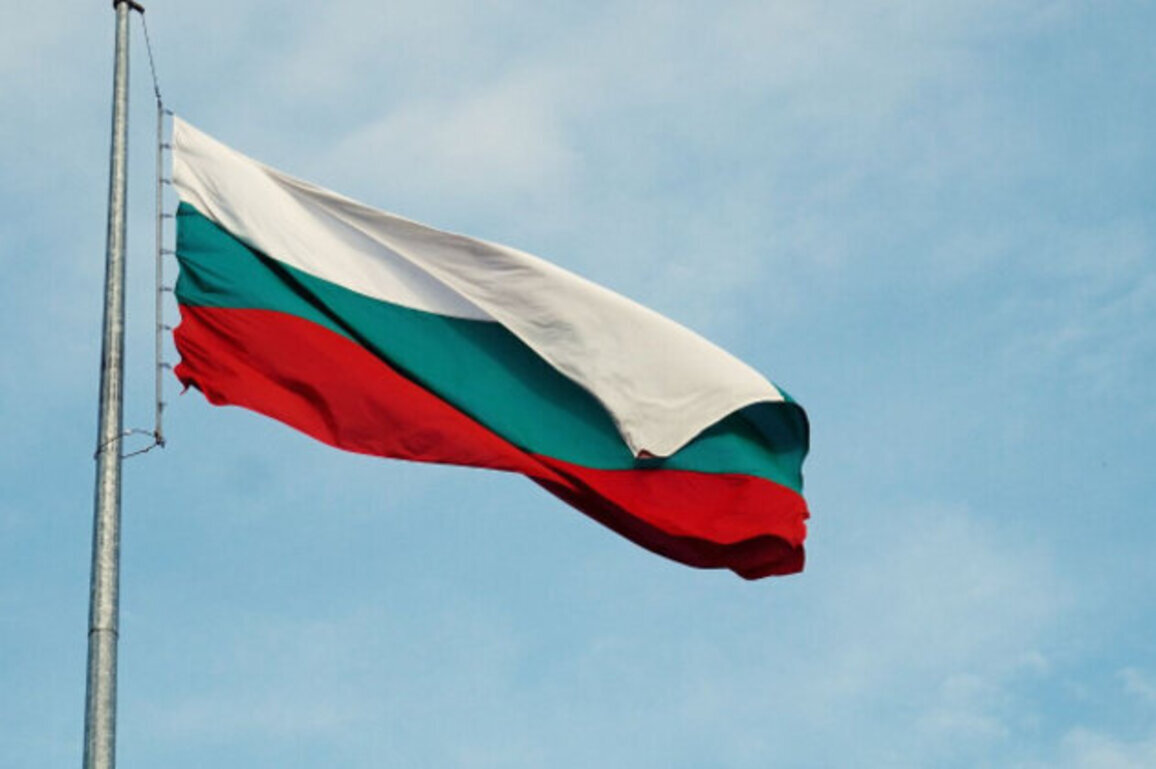
Labor Day on May 1 is a public holiday in Bulgaria and remains one of the most widely observed dates in the country's annual calendar. It marks international workers? solidarity and is traditionally associated with labor rights, public gatherings, and political messaging. In Bulgaria, the day carries both historical weight and modern social relevance, reflecting changes in the country's economy and workforce over the past decades.
The holiday dates back to the late 19th century international labor movement and became firmly established in Bulgaria during the socialist period. For decades, it was closely tied to state-organized demonstrations, parades, and official celebrations that emphasized industrial work and collective identity. After 1989, the character of the day shifted significantly. While it remained a national holiday, public participation became more diverse, with unions, political parties, and civil groups using it as a platform for different messages.
Today in Bulgaria, May 1 is officially a non-working day. Government offices, banks, schools, and most private businesses are closed. For many people, it is part of a longer spring break period when combined with nearby holidays, allowing travel within the country or abroad. Popular destinations include the Black Sea coast, mountain resorts, and nearby Balkan countries. Domestic tourism typically increases during this period, with hotels and transport services reporting higher demand.
Despite its relaxed holiday character for many citizens, the day continues to have a strong social and political dimension. Trade unions traditionally organize rallies and events in Sofia and other major cities. These gatherings focus on wages, working conditions, labor rights, and the cost of living. In recent years, inflation and income levels have become central themes, reflecting broader economic pressures in Bulgaria.
Political parties also use the occasion to communicate with voters, often framing messages around employment, social justice, and economic policy. For governing parties, the day can serve as an opportunity to highlight labor market achievements or planned reforms. For opposition groups and unions, it is frequently used to criticize wage disparities, labor shortages, and perceived weaknesses in social protection systems.
Bulgaria's labor market context gives additional significance to the holiday. The country has faced long-term demographic decline, emigration of young workers, and regional disparities in employment opportunities. At the same time, unemployment levels have generally decreased in recent years, while demand for labor in sectors such as construction, IT, healthcare, and services has increased. Employers often report shortages of skilled workers, which has gradually influenced wage growth and labor policies.
However, wage levels in Bulgaria remain among the lowest in the European Union, which continues to be a central point in public debate on May 1. Many workers highlight the gap between living costs and income, particularly in large cities where housing and services have become more expensive. This issue is frequently raised by unions during holiday demonstrations, alongside calls for stronger collective bargaining mechanisms.
The historical symbolism of the day is also still present. Older generations often associate May 1 with the socialist-era traditions of large public parades and official speeches. Younger Bulgarians, however, tend to view it more as a general day of rest or a spring holiday, though awareness of its labor-related meaning remains present in public discourse and education.
In addition to official events, informal gatherings such as picnics, outdoor meetings, and family activities are common across the country. Parks, green spaces, and tourist areas typically see increased activity, especially if weather conditions are favorable. Retail and entertainment sectors also experience shifts in consumer behavior, with many businesses adjusting hours or offering seasonal promotions.
Over time, May 1 in Bulgaria has evolved into a blend of tradition, political expression, and leisure. While its ideological origins remain part of its identity, the modern observance is more flexible and reflects a society that has transitioned through different economic and political systems. It continues to serve as a symbolic reminder of labor's role in national development, even as its meaning adapts to current social and economic realities.